


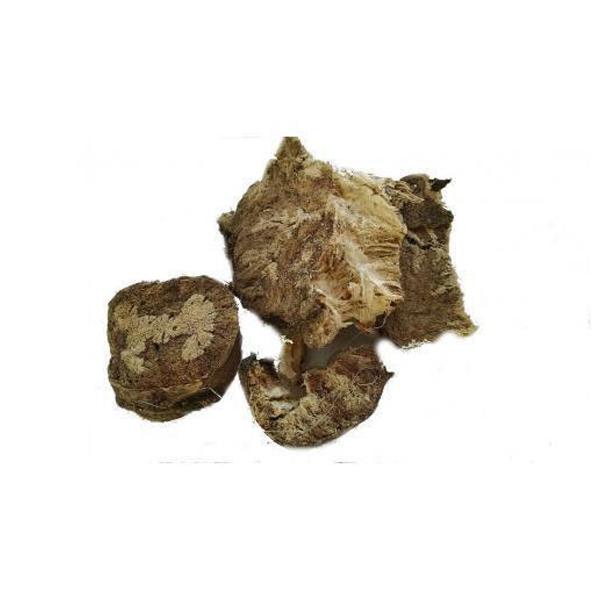
Price: On request
In the ever-evolving landscape of herbal medicine and natural supplements, Adam's root has emerged as a significant player, captivating the attention of manufacturers, researchers, and distributors alike. This technical article delves into the intricate world of Adam's root wholesale, exploring the critical aspects that drive its market success and the challenges that shape its future.
The Adam's Root Revolution: Market Significance and Growth Trajectory
Adam's root, scientifically known as Tauschia arguta, has witnessed a surge in demand across various industries. Its applications range from traditional herbal remedies to cutting-edge pharmaceutical research, positioning it as a versatile and valuable commodity in the global market.
The wholesale sector for Adam's root has experienced remarkable growth, with a compound annual growth rate (CAGR) of 7.2% over the past five years. This upward trend is attributed to increasing consumer awareness of natural health solutions and the expanding research into the root's potential medicinal properties.
Mastering the Supply Chain: From Cultivation to Distribution
The Adam's root supply chain is a complex network that demands meticulous management to ensure product quality and market efficiency. Key stages in this process include:
-
Cultivation: Specialized farms employ advanced agronomic techniques to optimize yield and quality.
-
Harvesting: Timing is crucial to maximize the root's active compounds.
-
Processing: Involves cleaning, drying, and initial quality checks.
-
Storage: Climate-controlled facilities maintain the root's integrity.
-
Distribution: Efficient logistics ensure timely delivery to manufacturers and researchers.
Implementing a robust supply chain management system is paramount for wholesalers. Advanced tracking technologies, such as blockchain and IoT sensors, are increasingly being adopted to enhance transparency and traceability throughout the supply chain.
Quality Control: Ensuring Premium Adam's Root for Discerning Clients
In the competitive Adam's root wholesale market, quality control is the cornerstone of success. Rigorous protocols are essential to meet the exacting standards of pharmaceutical companies, supplement manufacturers, and research institutions.
Key Quality Control Measures:
-
Chemical Profiling: High-performance liquid chromatography (HPLC) and mass spectrometry techniques are employed to analyze the root's chemical composition.
-
Microbial Testing: Ensures the absence of harmful pathogens and meets regulatory standards.
-
Heavy Metal Analysis: Atomic absorption spectroscopy is used to detect and quantify any heavy metal contaminants.
-
Organoleptic Evaluation: Trained experts assess the root's physical characteristics, including color, texture, and aroma.
Implementing a comprehensive quality management system (QMS) that adheres to Good Manufacturing Practices (GMP) is crucial for maintaining consistent product quality and building trust with clients.
Market Demand Analysis: Decoding Trends and Projections
Understanding market dynamics is essential for wholesalers to align their strategies with industry demands. Recent market research indicates several key trends:
-
Increasing Pharmaceutical Interest: A 15% year-over-year increase in pharmaceutical companies incorporating Adam's root in clinical trials.
-
Supplement Market Expansion: The dietary supplement sector has seen a 22% growth in Adam's root-based products over the past two years.
-
Geographic Shifts: Emerging markets in Asia and South America are showing accelerated demand, with growth rates exceeding 10% annually.
-
Organic Certification Demand: A 30% premium for certified organic Adam's root, reflecting consumer preferences for natural and sustainably sourced ingredients.
Projections suggest that the global Adam's root wholesale market will reach $1.2 billion by 2025, driven by these trends and ongoing research into new applications.
Cultivation Excellence: Advanced Techniques for Optimal Yield and Quality
The cultivation of Adam's root requires specialized knowledge and techniques to ensure optimal yield and quality. Advanced methods employed by leading producers include:
-
Precision Agriculture: Utilizing satellite imaging and soil sensors to optimize growing conditions.
-
Controlled Environment Agriculture (CEA): Greenhouse cultivation with precise control over temperature, humidity, and light exposure.
-
Genetic Selection: Developing high-yield, disease-resistant varieties through selective breeding programs.
-
Sustainable Practices: Implementing crop rotation and organic pest management to maintain soil health and reduce environmental impact.
These techniques not only improve yield but also contribute to the consistency and quality of the final product, a critical factor for wholesalers serving the pharmaceutical and nutraceutical industries.
Economic Impact: Adam's Root Wholesale as a Market Driver
The Adam's root wholesale industry has become a significant economic driver in several regions. Key economic impacts include:
-
Job Creation: The industry supports an estimated 50,000 jobs globally, from agricultural workers to logistics specialists.
-
Rural Development: Many cultivation areas have seen increased economic activity and infrastructure development.
-
Export Revenue: Countries with favorable growing conditions have leveraged Adam's root as a valuable export commodity, contributing to positive trade balances.
-
Research and Development: Increased demand has spurred investment in R&D, fostering innovation in related fields.
The multiplier effect of the Adam's root wholesale industry extends beyond direct economic contributions, influencing sectors such as transportation, packaging, and biotechnology.
Innovating for the Future: Emerging Trends and Opportunities
As the Adam's root wholesale market matures, several innovations and trends are shaping its future:
-
Vertical Integration: Wholesalers are increasingly investing in cultivation and processing facilities to gain greater control over quality and supply.
-
Bioengineering: Research into enhancing the root's medicinal properties through genetic modification shows promise for creating tailored varieties for specific applications.
-
Sustainable Packaging: Eco-friendly packaging solutions are being developed to meet the growing demand for environmentally responsible products.
-
Digital Marketplaces: Online platforms are emerging as efficient channels for connecting wholesalers with buyers, streamlining the procurement process.
-
Artificial Intelligence in Quality Control: Machine learning algorithms are being employed to enhance the accuracy and efficiency of quality assessment processes.
These innovations present opportunities for wholesalers to differentiate themselves in a competitive market and address evolving customer needs.
Conclusion: Navigating the Complex Landscape of Adam's Root Wholesale
The Adam's root wholesale industry stands at the intersection of traditional herbal wisdom and cutting-edge scientific research. Success in this dynamic market requires a multifaceted approach that encompasses efficient supply chain management, stringent quality control, and a keen understanding of market trends.
As the industry continues to evolve, wholesalers must remain adaptable, embracing technological advancements and sustainable practices. By doing so, they can not only meet the current demand but also play a pivotal role in shaping the future of natural health solutions and pharmaceutical innovations.
The journey of Adam's root from cultivation to end-user is a testament to the complexities and opportunities within the botanical wholesale market. As research continues to unveil new potential applications, the Adam's root wholesale industry is poised for continued growth and innovation, offering exciting prospects for those at the forefront of this burgeoning field.
